


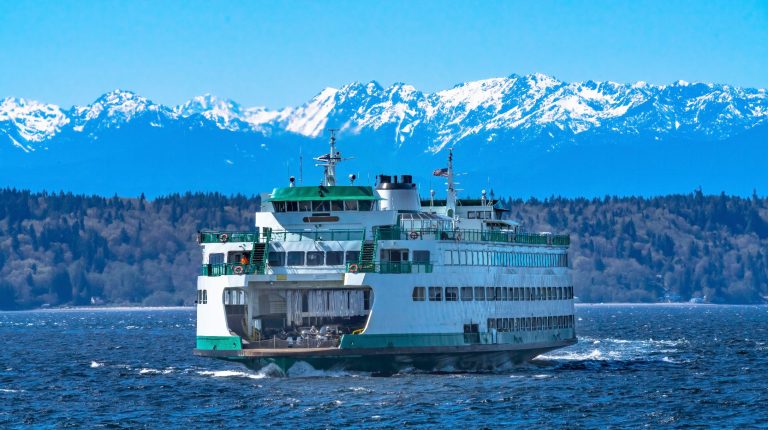
Siemens Energy has been awarded the systems integrator contract to build charging stations for Washington State Ferries (WSF), supporting the agency’s long-term fleet electrification and decarbonization strategy.
The project will deliver electrical infrastructure for reliable, high-power shoreside charging to support hybrid-electric and future battery-electric ferry operations. Under the contract, Siemens Energy will provide engineering, systems integration and electrical infrastructure expertise to support medium-voltage shore power at WSF terminals. The scope includes system design, equipment supply and integration, and coordination to ensure safe, reliable and future-ready charging capability aligned with WSF’s evolving fleet plans.
WSF is the largest ferry system in the USA, serving nearly 25 million passengers annually across 10 routes. The ferries are the largest single consumer of diesel fuel within Washington State’s government operations, and the electrification program is intended to reduce reliance on fossil fuels while improving air quality in the Puget Sound region.
David Sowers, electrification program administrator at Washington State Ferries, said the project is an important step in modernizing the fleet for the decades ahead: “Partnering with Siemens Energy allows us to take a bold step forward to build the infrastructure needed to support a more resilient, reliable and future-ready ferry system. This investment strengthens our ability to serve our communities while reducing emissions and preparing our terminals for the next generation of maritime transportation.”
Ryan Bishop, director of ferry marine solutions at Siemens Energy, said WSF continues to set the benchmark for maritime electrification in North America: “Throughout the world, Siemens Energy is enabling operators to transition confidently to electric propulsion while maintaining the reliability and availability their passengers depend on every day.”
Siemens Energy said the terminal electrification solution builds on technologies and system architectures developed through its maritime electrification experience in Europe, including early electric ferry deployments in Norway, adapted to the operational scale, regulatory environment and performance requirements of Washington State Ferries. The company brings experience integrating shipboard propulsion systems and shoreside electrical infrastructure across both new-build and retrofit ferry programs.
Related news, SolarDuck and MARIN awarded €3.2m subsidy to advance Offshore Floating Power Hub