


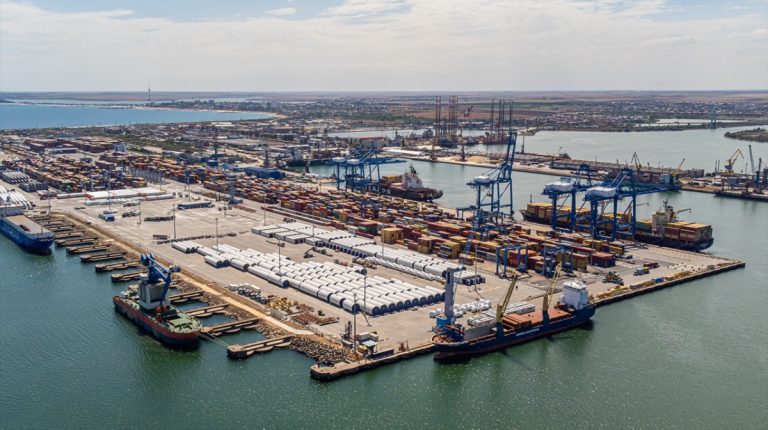
DP World has signed an agreement with French research organization Commissariat à l’Energie Atomique et aux Energies Alternatives (CEA) and strategy specialist TerraWater Institute to conduct a feasibility study of small modular reactor (SMR) technology at the Port of Constanța in Romania.
The study will model projected energy demand at the port from 2030 to 2050, evaluate integrated low-carbon energy systems, and assess the technical, strategic and economic feasibility of nuclear-based solutions. It will also examine safety standards and considerations for surrounding communities, drawing on CEA’s expertise in SMR design and nuclear safety.
The move reflects DP World’s view that access to reliable, low-carbon energy is critical to future port competitiveness, as rising demand from electrified equipment, shore power, AI data centers, residential heating and industrial activity places increasing pressure on existing energy infrastructure.
Nicholas Mazzei, VP of sustainability – Europe at DP World, said, “Nuclear SMRs are not just energy projects for our ports, they are a competitive infrastructure differentiator. This study will help us better understand how nuclear energy can strengthen operational resilience and help meet rising demand. Across Europe, nuclear energy is increasingly recognized as a resilient and cost-effective solution with the potential to underpin the next generation of industrial activity and the supply chains.”
Myrto Tripathi, general director of TerraWater Institute, said the study was about understanding how future low-carbon energy systems could be designed to meet complex and evolving demands “while maintaining high standards of safety and environmental performance.” She added that nuclear offered a means of decarbonizing without allowing energy supply to dictate industrial terms.
Stéphane Sarrade, director of energy programs at CEA, said the collaboration would apply “advanced modelling and analysis to better understand how these solutions could support reliable, low-carbon energy for ports.”
Romania is an established nuclear energy operator in Europe, with a focus on energy security and decarbonization aligned with EU priorities, making it a relevant testbed for the study.
The study is intended to inform future decision-making rather than commitments to development. Any subsequent steps will be subject to further technical assessment, regulatory review and stakeholder engagement.
The Constanța project builds on DP World’s broader exploration of nuclear energy across its portfolio, including a memorandum of understanding signed last year relating to its UK ports. The company has framed nuclear energy as part of its ambition to advance new energy solutions that support port growth and reinforce long-term energy security across Europe.