


Close Menu
Advanced Maritime Technology International
  • News
    • A-M
      • Battery Technology
      • Environmental
      • Equipment and Services
      • Expo
      • Ferries and Cruises
      • Marine Construction
      • Marine Renewables
    • N-Z
      • Naval Projects
      • Onboard Systems
      • Ports and Harbours
      • Power and Propulsion
      • Shipyards and Shipbuilding
      • Vessel Build and Maintenance
  • Features
  • Online Magazines
  • Opinion
  • Videos
  • Supplier Spotlight
LinkedIn Facebook X (Twitter)
  • Sign-up for Free Weekly E-Newsletter
  • Meet the Editors
  • Contact Us
  • Media Pack
LinkedIn
Subscribe
Advanced Maritime Technology International
  • News
      • Alternative Fuels
      • Autonomous Technology
      • Awards
      • Battery Technology
      • Expo
      • Ferries and Cruises
      • Hydrogen
      • Legislation
      • Motor Technologies
      • New Vessels
      • Onboard Systems
      • Ports and Harbours
      • Power and Propulsion
      • Shipyards and Shipbuilding
      • Vessel Design
  • Features
  • Online Magazines
    1. January 2026
    2. September 2025
    3. April/May 2025
    4. January 2025
    5. September 2024
    6. April 2024
    7. Archive Issues
    8. Subscribe Free!
    Featured
    December 4, 2025

    In this issue – January 2026

    Online Magazines By Web Team
    Recent

    In this issue – January 2026

    December 4, 2025

    In this issue – September 2025

    August 6, 2025

    In this issue – April/May 2025

    May 14, 2025
  • Subscribe
  • Opinion
  • Videos
  • Awards
    • Electric & Hybrid Marine Awards 2025 – Nominations open
    • 2024 Winners
    • 2023 Winners
    • 2022 Winners
    • Previous Winners
  • Supplier Spotlight
  • Expo
LinkedIn Facebook
Subscribe
Advanced Maritime Technology International
Marine Renewables

Volvo Cars collaborates with logistics partners to use renewable fuel for ocean transportation

Callum Brook-JonesBy Callum Brook-JonesJuly 4, 20232 Mins Read
Share
LinkedIn Twitter Facebook Email

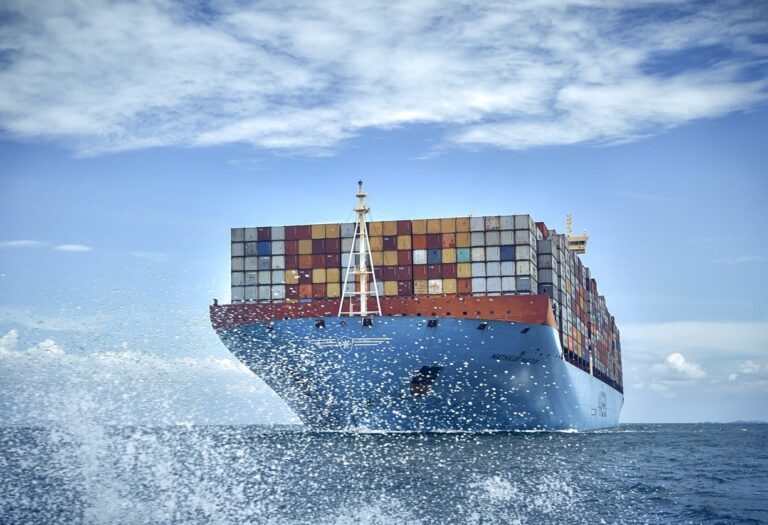
To reduce the CO2 emissions – created by intercontinental ocean freight carrying production material headed to Volvo Cars’ factories – by 55,000 tons each year, the OEM has announced that the majority of these operations will now be conducted on vessels using fatty acid methyl esters (FAME), a renewable fuel produced using mainly waste cooking oil. No feedstock related to palm oil or palm oil production is used to manufacture FAME.

Volvo Cars aims to use the FAME fuel for inbound ocean container transportation of production material being distributed to its manufacturing facilities in Europe and the Americas. The fuel will also be used on board vessels carrying spare parts. It is estimated that the use of FAME will reduce CO2 emissions by a minimum of 84% compared with previously used fossil fuels.

“Renewable fuel is not the end game for removing CO2 from the world’s ocean freight needs,” said Javier Varela, chief operating officer and deputy CEO of Volvo Cars. “Yet this initiative shows that we can act now and implement solutions that achieve significant results during the wait for long-term technological alternatives. We don’t view this initiative as a competitive advantage. On the contrary, we want to spark other car makers into action as well, to increase demand for carbon-efficient ocean transportation and to establish renewable fuels as a mid-term solution that works. We all have a responsibility to act.”

Volvo Cars worked in collaboration with its logistics partners Maersk, Kuehne+Nagel and DB Schenker to switch to using the renewable fuel from June 1, 2023, for all of the OEM’s container transportation. Furthermore, if renewable fuel is not available for one of these shipments, Volvo Cars’ renewable fuel allocation is then used by one of its logistics partners for another customer’s route elsewhere – a methodology known as mass-balancing.

“We’re continually exploring sustainability opportunities across all aspects of our supply chain and across our overall business,” added Varela. “Our list of initiatives keeps growing as we work toward our ambition of becoming a climate-neutral company by 2040.”

For more on marine renewables, click here.

Share. Twitter LinkedIn Facebook Email
Previous ArticlePorts of Los Angeles and Nagoya expand cooperation with multiple new sustainability initiatives
Next Article Vertom Tomma diesel-electric vessel launched at Thecla Bodewes Shipyards

Related Posts

Power and Propulsion

Bibby Marine analysis highlights cost benefits of electrified offshore wind service vessels

March 6, 20263 Mins Read
Power and Propulsion

Wärtsilä to supply electric propulsion for third Molslinjen ferry

February 5, 20262 Mins Read
Ferries and Cruises

Stena Connecta arrives in Belfast ahead of hybrid electric service launch

January 23, 20263 Mins Read
Latest News

Bureau Veritas classes two advanced high-speed all-electric trimarans

March 24, 2026

Princeton University tests Kilo Hydro at Mercury Racing’s Lake X

March 24, 2026

Joint study shows path to green ammonia cost parity

March 19, 2026

Receive breaking stories and features in your inbox each week, for free


Enter your email address:


Supplier Spotlights
  • AKASOL AG
Getting in Touch
  • Contact Us / Advertise
  • Meet the Editors
  • Media Pack
  • Free Weekly E-Newsletter
Our Social Channels
  • LinkedIn
UKi Media & Events
© 2026 UKi Media & Events a division of UKIP Media & Events Ltd
  • Terms and Conditions
  • Privacy Policy
  • Cookie Policy
  • Notice & Takedown Policy

Type above and press Enter to search. Press Esc to cancel.