


Close Menu
Advanced Maritime Technology International
  • News
    • A-M
      • Battery Technology
      • Environmental
      • Equipment and Services
      • Expo
      • Ferries and Cruises
      • Marine Construction
      • Marine Renewables
    • N-Z
      • Naval Projects
      • Onboard Systems
      • Ports and Harbours
      • Power and Propulsion
      • Shipyards and Shipbuilding
      • Vessel Build and Maintenance
  • Features
  • Online Magazines
  • Opinion
  • Videos
  • Supplier Spotlight
LinkedIn Facebook X (Twitter)
  • Sign-up for Free Weekly E-Newsletter
  • Meet the Editors
  • Contact Us
  • Media Pack
LinkedIn
Subscribe
Advanced Maritime Technology International
  • News
      • Alternative Fuels
      • Autonomous Technology
      • Awards
      • Battery Technology
      • Expo
      • Ferries and Cruises
      • Hydrogen
      • Legislation
      • Motor Technologies
      • New Vessels
      • Onboard Systems
      • Ports and Harbours
      • Power and Propulsion
      • Shipyards and Shipbuilding
      • Vessel Design
  • Features
  • Online Magazines
    1. January 2026
    2. September 2025
    3. April/May 2025
    4. January 2025
    5. September 2024
    6. April 2024
    7. Archive Issues
    8. Subscribe Free!
    Featured
    December 4, 2025

    In this issue – January 2026

    Online Magazines By Web Team
    Recent

    In this issue – January 2026

    December 4, 2025

    In this issue – September 2025

    August 6, 2025

    In this issue – April/May 2025

    May 14, 2025
  • Subscribe
  • Opinion
  • Videos
  • Awards
    • Electric & Hybrid Marine Awards 2025 – Nominations open
    • 2024 Winners
    • 2023 Winners
    • 2022 Winners
    • Previous Winners
  • Supplier Spotlight
  • Expo
LinkedIn Facebook
Subscribe
Advanced Maritime Technology International
Power and Propulsion

WinGD wins first approval in principle for ammonia two-stroke engine

Elizabeth BakerBy Elizabeth BakerSeptember 28, 20232 Mins Read
Share
LinkedIn Twitter Facebook Email

Swiss marine power company WinGD has secured approval in principle (AiP) for two-stroke engines fueled with ammonia. Lloyd’s Register awarded the AiP to WinGD’s X-DF-A dual-fuel range, giving shipowners the assurance they need to realize vessel designs using ammonia-fueled main engines for the first time.

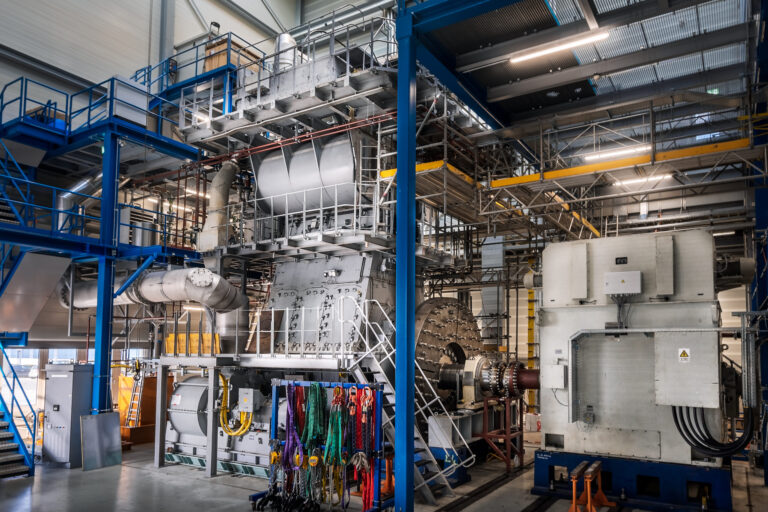
The development of WinGD’s ammonia-fueled engine series has been advanced with strong support from shipowners, shipyards and engine builders. The first engine to be developed, the 52-bore X52DF-A, will be available for delivery from Q4 2024 and is applicable to a range of vessels including gas and bulk carriers.

Dominik Schneiter, CEO of WinGD, said, “Time is of the essence as shipping looks to clean power solutions. This approval shows the industry that WinGD is leading the way in bringing carbon-free ammonia power to the deep-sea fleet. With the support of expert partners including Lloyd’s Register, these technologies will be available long before emission targets require them, giving operators vital space to plan and gain experience.”

Nick Brown, CEO of Lloyd’s Register, said, “The maritime industry needs to trust that new technologies can be deployed safely as it continues to evaluate multiple transition pathways. This AiP will give first movers confidence that, subject to subsequent care in design, build, integration and operation, this ammonia two-stroke engine can help meet that demand. Lloyd’s Register is delighted to have worked with WinGD on this groundbreaking development.”

WinGD was able to validate to Lloyd’s Register experts that the X52DF‑A concept is technically ready to satisfy future regulatory requirements with no major obstacles. As part of the AiP process, Lloyd’s Register considered the engine safety concept, risk assessments and preliminary engine and fuel supply system design, as well as confirming the compatibility of materials with ammonia fuel.

WinGD will extend the X‑DF‑A platform to a 72-bore variant in 2025 followed by other engine sizes in 2026 according to market needs, accommodating a wide range of vessel types from small tankers and car carriers to very large tankers. The engines operate according to the Diesel principle in both diesel and ammonia modes, have the same rating field as WinGD’s existing diesel engines and will be available with the same cylinder configurations.

To find out more about WinGD’s latest developments in the electric and hybrid marine technology industry, click here.

Share. Twitter LinkedIn Facebook Email
Previous ArticleFuretank and Algoma Central Corporation co-order two additional Vinga dual-fuel battery hybrids
Next Article Feature: Vessel certification for electric and hybrid technologies on the water

Related Posts

Power and Propulsion

Princeton University tests Kilo Hydro at Mercury Racing’s Lake X

March 24, 20263 Mins Read
New Vessels

AET and Fleetzero to develop world’s longest-range hybrid-electric vessel

March 16, 20262 Mins Read
Power and Propulsion

Orange Marine selects ABB power, propulsion and automation systems for new cable repair vessels

March 12, 20263 Mins Read
Latest News

Bureau Veritas classes two advanced high-speed all-electric trimarans

March 24, 2026

Princeton University tests Kilo Hydro at Mercury Racing’s Lake X

March 24, 2026

Joint study shows path to green ammonia cost parity

March 19, 2026

Receive breaking stories and features in your inbox each week, for free


Enter your email address:


Supplier Spotlights
  • The Switch
Getting in Touch
  • Contact Us / Advertise
  • Meet the Editors
  • Media Pack
  • Free Weekly E-Newsletter
Our Social Channels
  • LinkedIn
UKi Media & Events
© 2026 UKi Media & Events a division of UKIP Media & Events Ltd
  • Terms and Conditions
  • Privacy Policy
  • Cookie Policy
  • Notice & Takedown Policy

Type above and press Enter to search. Press Esc to cancel.